17 October 2025

Canon Photography 彩票123app官网入口-2025年最新闪电直播体彩网开奖记录 Cape Town

Photography 123平台汇总最新福彩3D- 彩票联盟实时直播开奖最新结果 Cape Town and Cape Peninsula

Personalised Canon EOS / Canon EOS R Training for Different Learner Levels
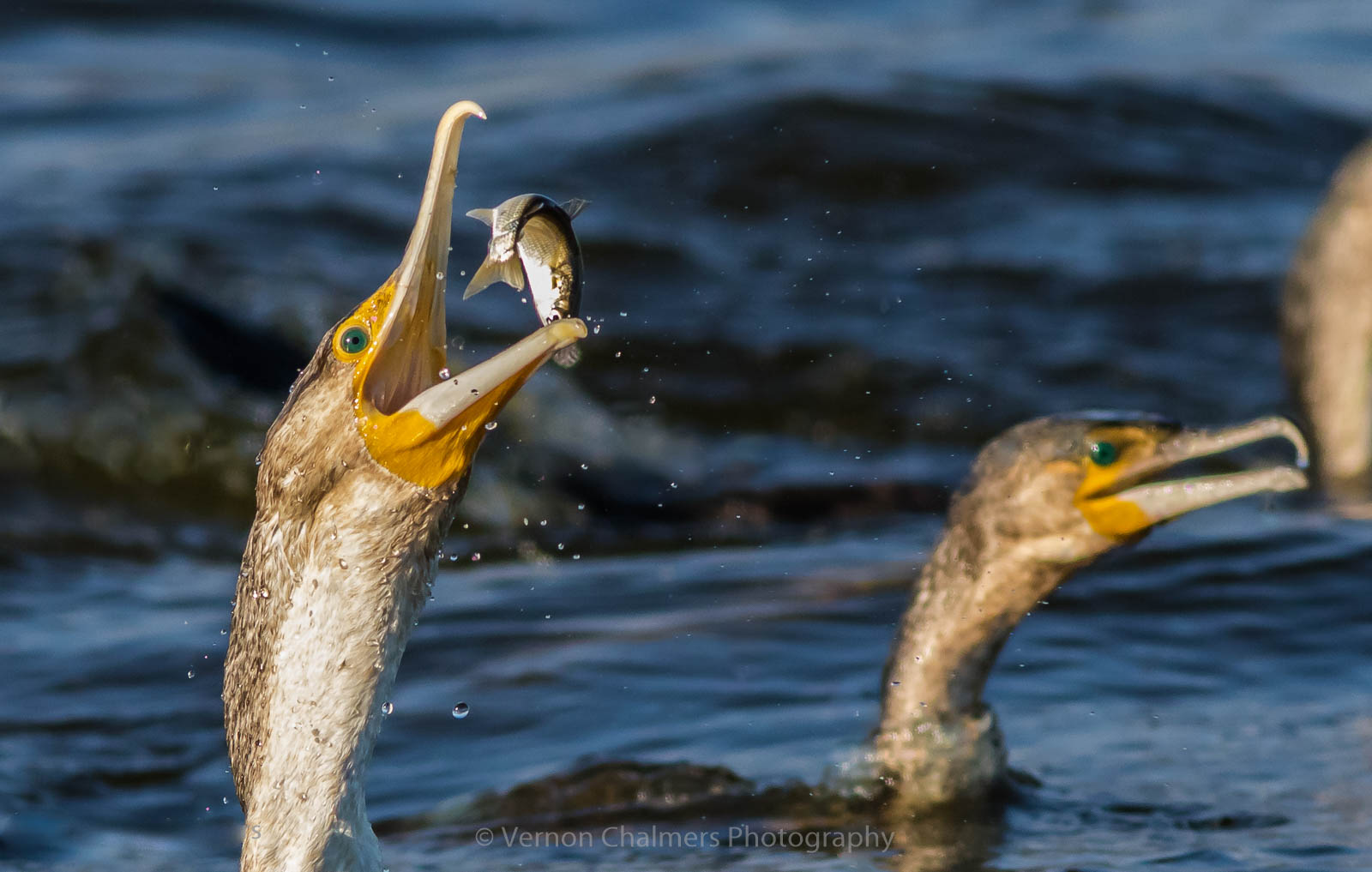
Fast Shutter Speed / Action Photography Training Woodbridge Island, Cape Town

Vernon Chalmers Photography Approach

Vernon Canon Photography 123官方平台3D福彩最新版免费下载 v9.3.20

"If you’re looking for Canon photography training in Milnerton, Cape Town, Vernon Chalmers Photography offers a variety of cost-effective courses tailored to different skill levels and interests. They provide one-on-one training sessions for Canon EOS DSLR and EOS R mirrorless cameras, covering topics such as:
  • Introduction to Photography
  • Bird and Flower Photography
  • Macro and Close-Up Photography
  • Landscape and Long Exposure Photography
  • Canon Speedlite Flash Photography

Training sessions can be held at various locations, including Woodbridge Island and Kirstenbosch Botanical Gardens, or even in the comfort of your own home or garden. (Microsoft Copilot)

123彩票联盟官方同步开奖数据查询+福彩3D最新开奖结果 Photography

Cost-Effective Private 123彩票联盟官方同步开奖数据查询+福彩3D最新开奖结果 Photography tutoring / training courses in Milnerton, Cape Town - or in the comfort of your home / garden anywhere in the Cape Peninsula.

Tailor-made (individual) learning programmes are prepared for specific 123彩票联盟官方同步开奖数据查询+福彩3D最新开奖结果 photography requirements with the following objectives:
  • Individual Needs / Gear analysis
  • Canon EOS camera menus / settings
  • Exposure settings and options
  • Specific genre applications and skills development
  • Practical shooting sessions (where applicable)
  • DPP / Lightroom Post-processing overview
  • Ongoing support

Canon Camera / Lens Requirements

Any Canon EOS / EOS R body / lens combination is suitable for most of the training sessions. During initial contact I will determine the learner's current skills, Canon EOS system and other learning / photographic requirements. Many Canon PowerShot camera models are also suitable for creative photography skills development.

Camera and Photgraphy Training Documentation
All Vernon Chalmers Photography Training delegates are issued with a folder with all relevant printed documentation  in terms of camera and personal photography requirements. Documents may be added (if required) to every follow-up session (should the delegate decide to have two or more sessions).
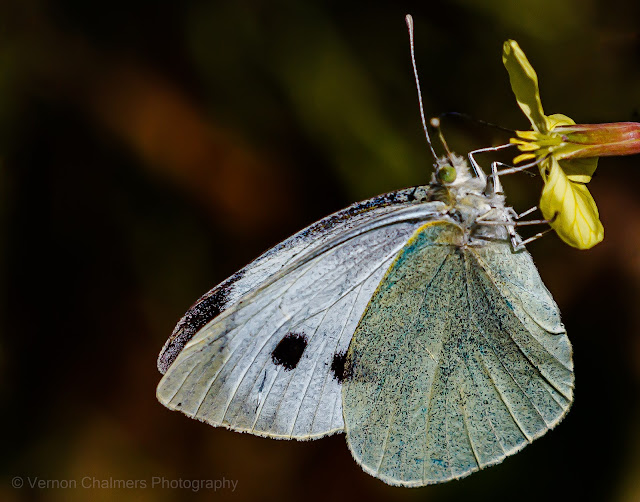
Small Butterfly Woodbridge Island - Canon EF 100-400mm Lens
Cabbage White Butterfly Woodbridge Island - Canon EF 100-400mm Lens

Learning Photography from the comfort of your Own Cape Town Home / Garden More Information

Bird / Flower Photography Training Kirstenbosch National Botanical Garden More Information

Photography Private Training Classes Milnerton, Cape Town
  • Introduction to Photography / Canon Cameras More
  • Bird / Flower Photography Training Kirstenbosch More
  • Birds in Flight / Bird Photography Training More
  • Canon Speedlite Flash Photography Training More
  • Macro / Close-Up Photography More
  • Landscape / Long Exposure Photography More

Training / demonstrations are done on the client's own Canon EOS bodies attached to various Canon EF / other brand lenses covering wide-angle to zoom focal lengths.
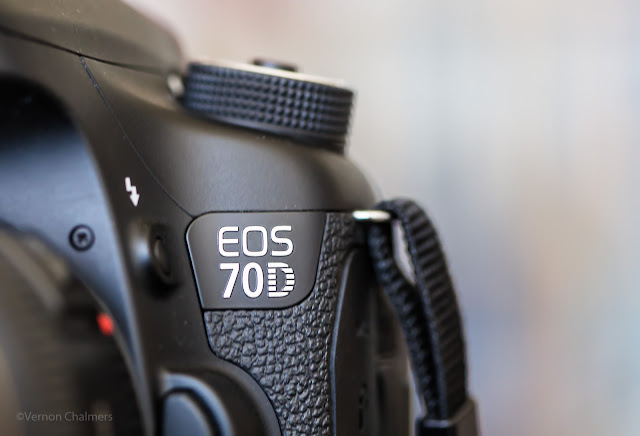
Canon EOS System / Menu Setup and Training Cape Town

2025 Individual Photography 3D福彩开奖结果查询 | 历史开奖数据 | 彩票联盟123官方入口

From R850-00 per four hour session for Introductory Canon EOS / EOS R photography in Milnerton, Cape Town. Practical shooting sessions can be worked into the training. A typical training programme of three training sessions is R2 450-00.

From R900-00 per four hour session for developing . more advanced Canon EOS / EOS R photography in Milnerton, Cape Town. Practical shooting sessions can be worked into the training. A typical training programme of three training sessions is R2 600-00.

Three sessions of training to be up to 12 hours+ theory / settings training (inclusive: a three hours practical shoot around Woodbridge Island if required) and an Adobe Lightroom informal assessment / of images taken - irrespective of genre. 

Canon EOS Cameras / Lenses / Speedlite Flash Training
All Canon EOS cameras from the EOS 1100D to advanced AF training on the Canon EOS 80D to Canon EOS-1D X Mark III. All Canon EOS R Cameras. All Canon EF / EF-S / RF / RF-S and other Canon-compatible brand lenses. All Canon Speedlite flash units from Canon Speedlite 270EX to Canon Speedlite 600EX II-RT (including Macro Ring Lite flash models).
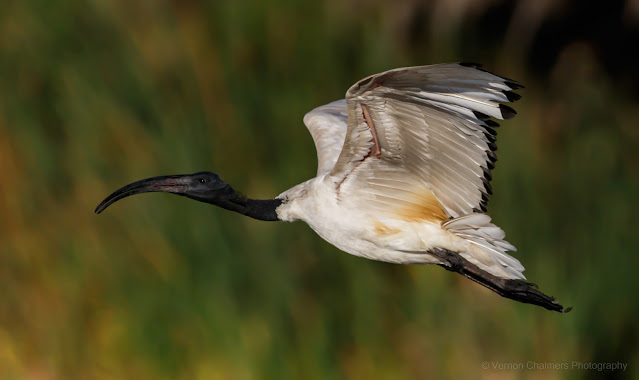
Intaka Island Photography Canon EF 100-400mm f/4.5-5.6L IS II USM Lens

Advanced Canon EOS Autofocus Training (Canon EOS / EOS R)
For advanced Autofocus (AF) training have a look at the Birds in Flight Photography workshop options. Advanced AF training is available from the Canon EOS 7D Mark II / Canon EOS 5D Mark III / Canon EOS 5D Mark IV up to the Canon EOS 1-DX Mark II / III. Most Canon EOS R bodies (i.e. EOS R7, EOS R6, EOS R6 Mark II, EOS R5, EOS R5 Mark II, EOS R3, EOS R1) will have similar or more advanced Dual Pixel CMOS AF Systems. Contact me for more information about a specific Canon EOS / EOS R AF System.

Cape Town Photography Training Schedules / Availability
From Tuesdays - during the day / evening and / or over weekends.
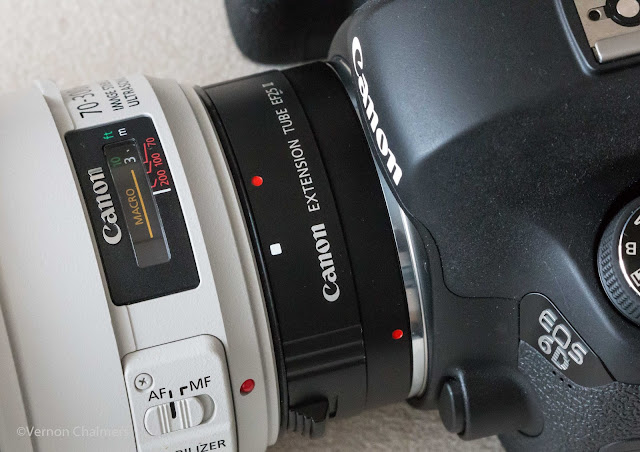
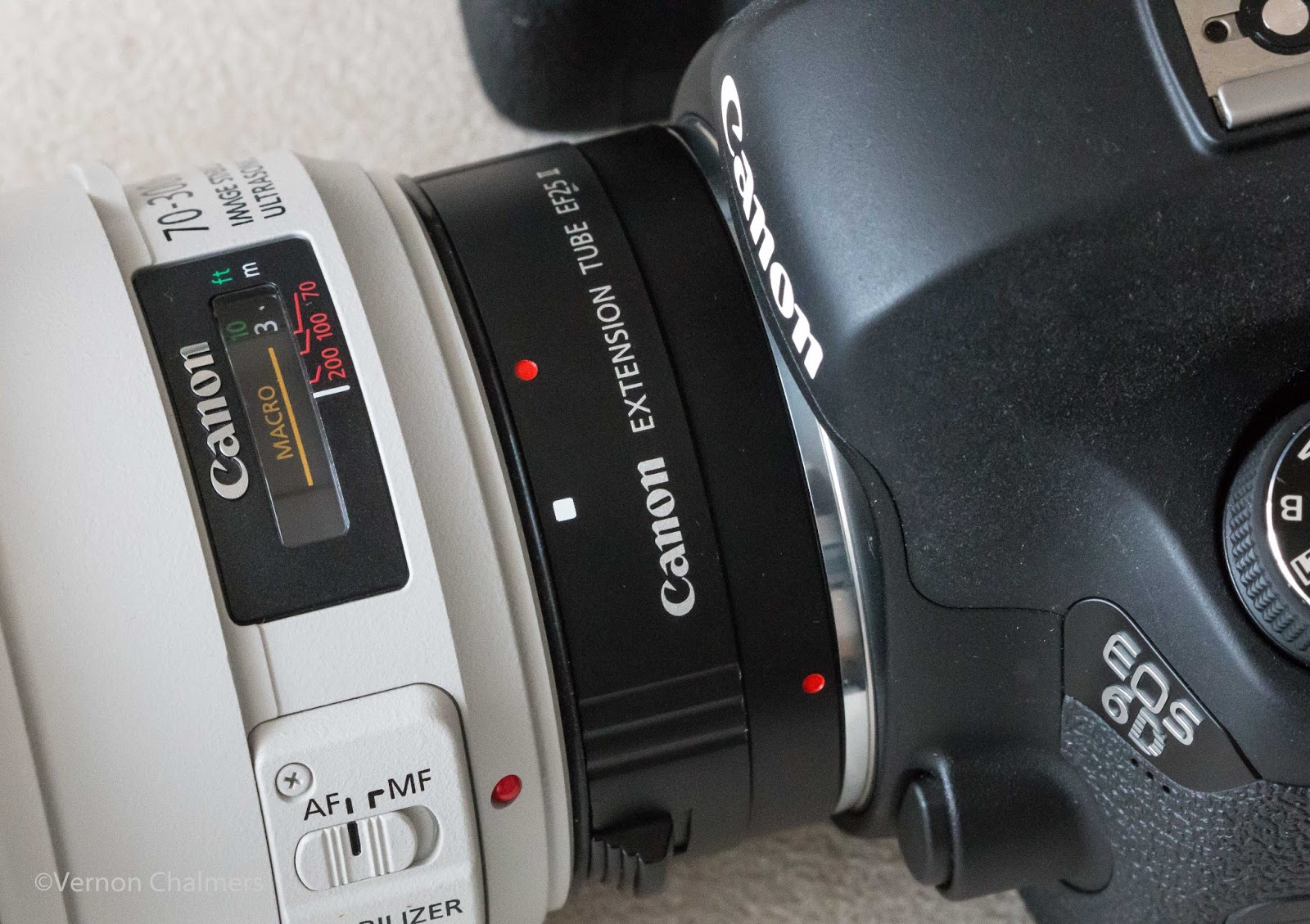
Canon EOS / Close-Up Lens Accessories Training Cape Town

Core Canon Camera / Photography Learning Areas
  • Overview & Specific Canon Camera / Lens Settings
  • Exposure Settings for M / Av / Tv Modes
  • Autofocus / Manual Focus Options
  • General Photography / Lens Selection / Settings
  • Transition from JPG to RAW (Reasons why)
  • Landscape Photography / Settings / Filters
  • Close-Up / Macro Photography / Settings
  • Speedlite Flash / Flash Modes / Flash Settings
  • Digital Image Management

Practical Photography 123彩票联盟官方同步开奖数据查询+福彩3D最新开奖结果
  • Inter-relationship of ISO / Aperture / Shutter Speed
  • Aperture and Depth of Field demonstration
  • Low light / Long Exposure demonstration
  • Landscape sessions / Manual focusing
  • Speedlite Flash application / technique
  • Introduction to Post-Processing

3D福彩开奖结果查询 | 历史开奖数据 | 彩票联盟123官方入口 Photography training to be facilitated on specific requirements after a thorough needs-analysis with individual photographer / or small group.
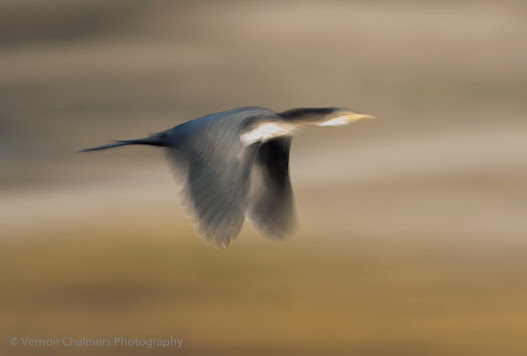
  • Typical Learning Areas Agenda
  • General Photography Challenges / Fundamentals
  • Exposure Overview (ISO / Aperture / Shutter Speed)
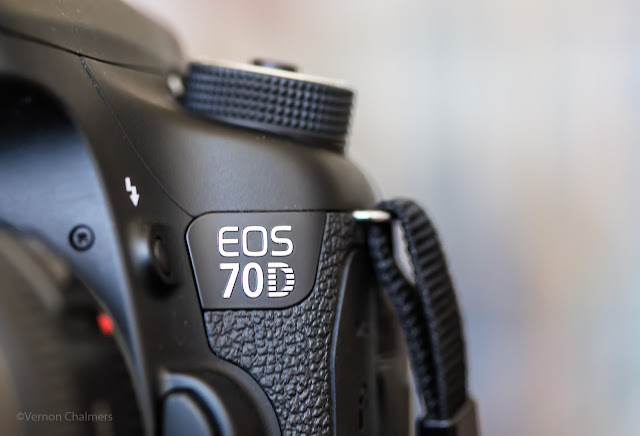
  • Canon EOS 70D Menus / Settings (in relation to exposure)
  • Camera / Lens Settings (in relation to application / genres)
  • Lens Selection / Technique (in relation to application / genres)
  • Introduction to Canon Flash / Low Light Photography
  • Still Photography Only

Above Learning Areas are facilitated over two  three sessions of four hours+ each. Any additional practical photography sessions (if required) will be at an additional pro-rata cost.
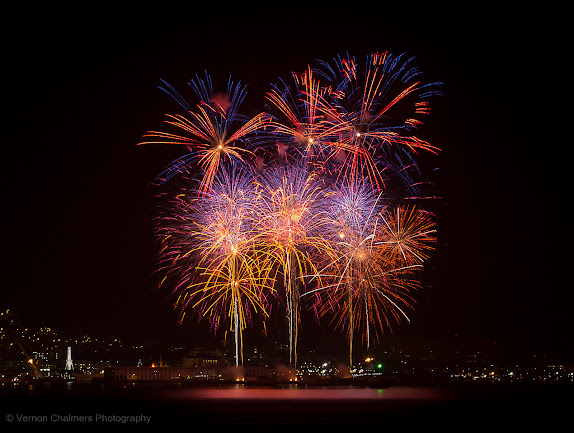
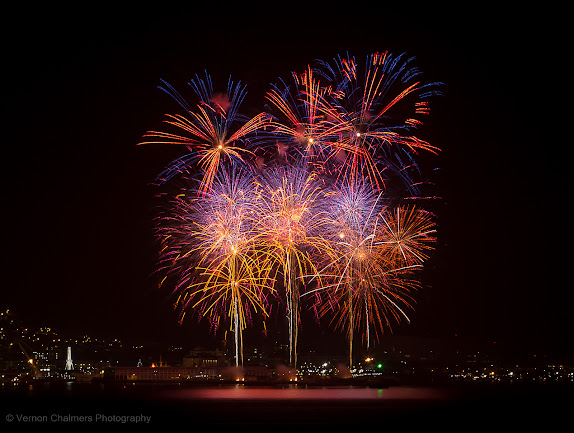
Fireworks Display Photography with Canon EOS 6D : Cape Town
Fireworks Display Photography 123官方平台3D福彩最新版免费下载 v9.3.20
From Woodbridge Island : Canon EOS 6D / 16-35mm Lens

Existential Photo-Creativity : Slow Shutter Speed Abstract Application
Existential Photo-Creativity : Slow Shutter Speed Abstract Application

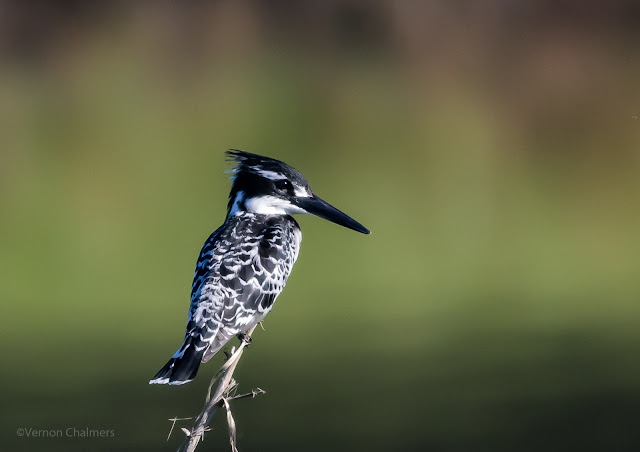
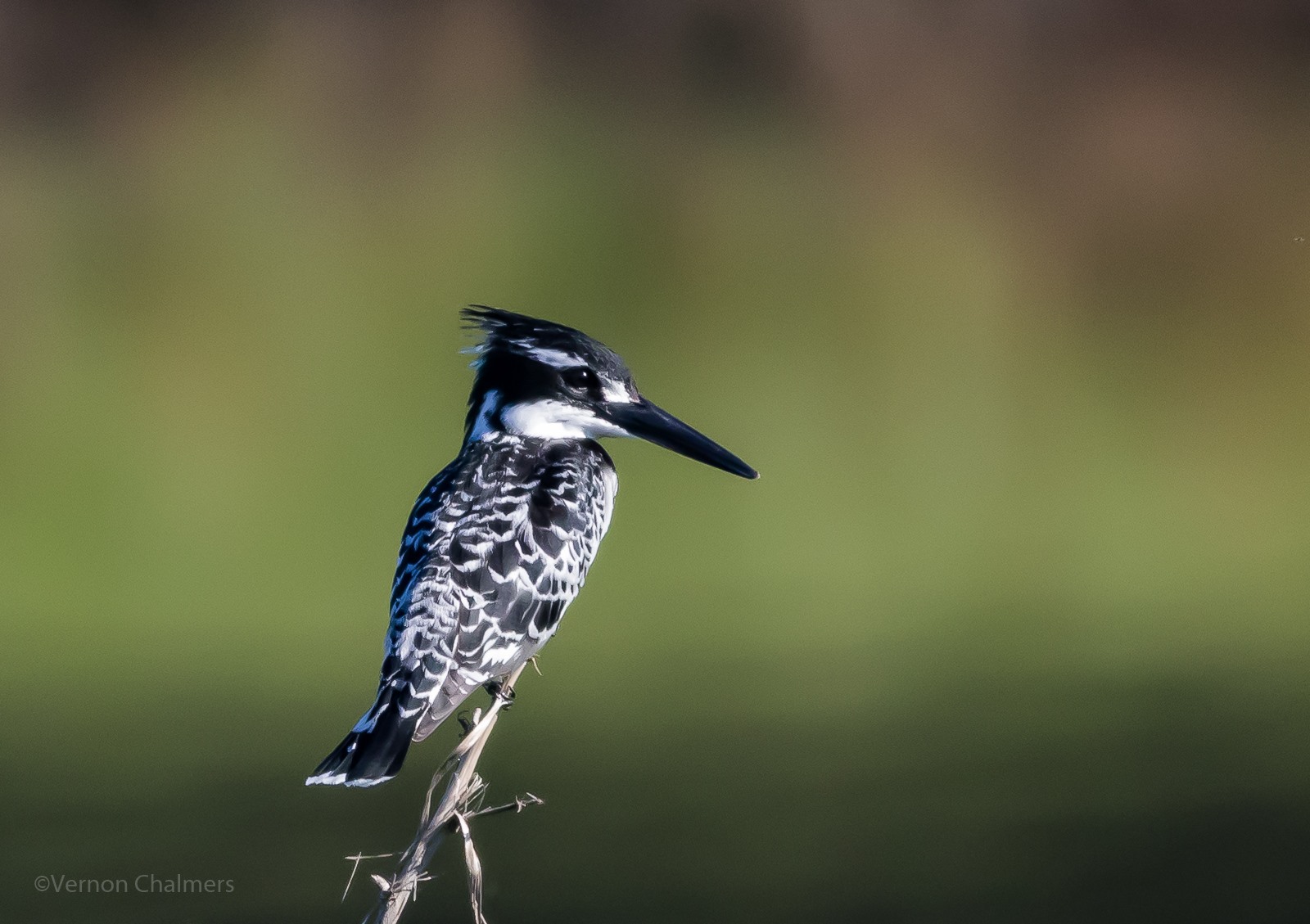
Perched Pied Kingfisher : Canon EOS 7D Mark II / 400mm Lens


Long Exposure Photography: Canon EOS 700D / Wide-Angle Lens
Long Exposure Photography: 123平台汇总最新福彩3D- 彩票联盟实时直播开奖最新结果
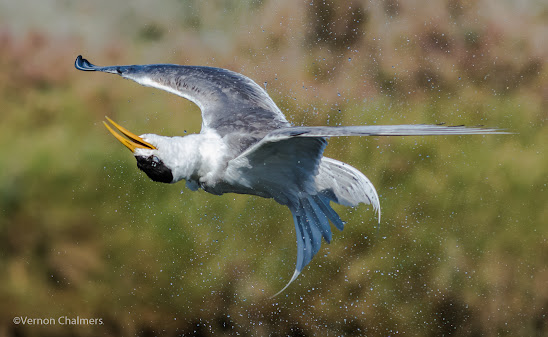
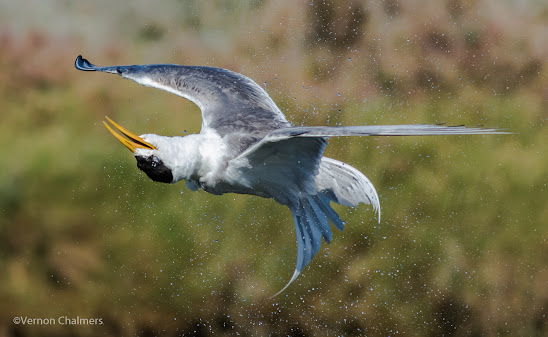
Birds in Flight (Swift Tern) : Canon EOS 7D Mark II / 400mm lens


Persian Cat Portrait : Canon EOS 6D / 70-300mm f/4-5.6L IS USM Lens
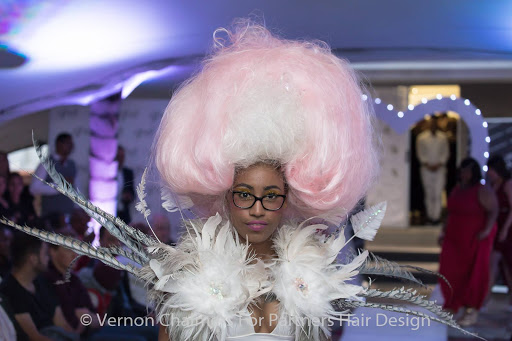

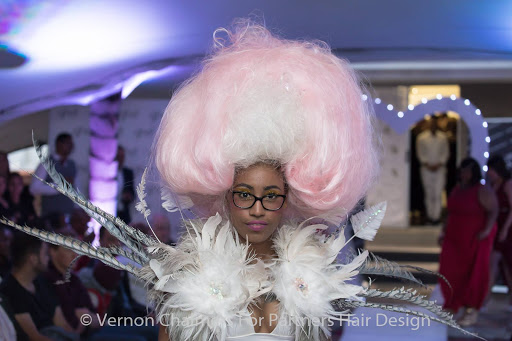
Fashion Photography Canon Speedlite flash : Canon EOS 6D @ 70mm
Fashion Photography 彩票联盟123官方入口-极速闪电开奖网实时开奖记录
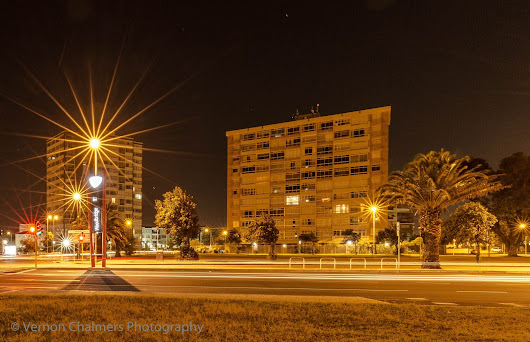
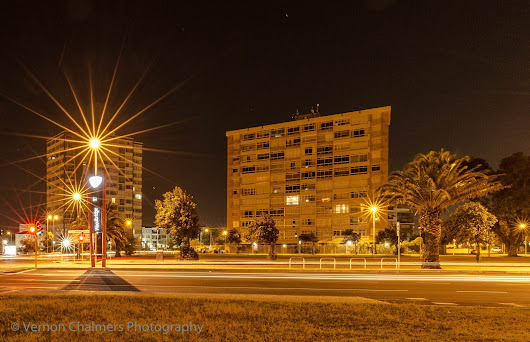
Long Exposure Photography Canon EOS 6D : Milnerton
Long Exposure Photography 123彩票联盟官方同步开奖数据查询+福彩3D最新开奖结果
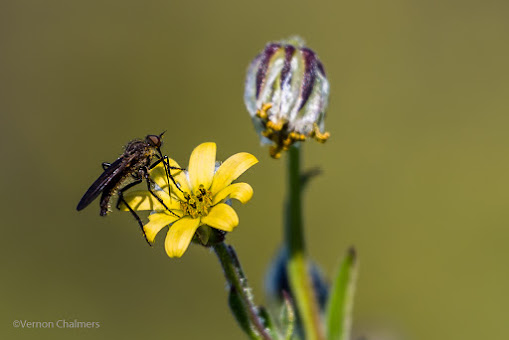
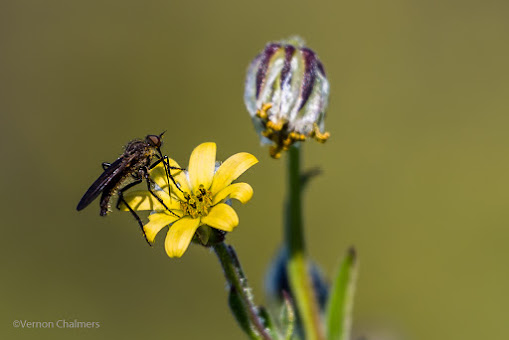
Close-Up & Macro Photography Cape Town : Canon EOS 6D
彩票联盟123登录入口 Photography Cape Town : Canon EOS 6D
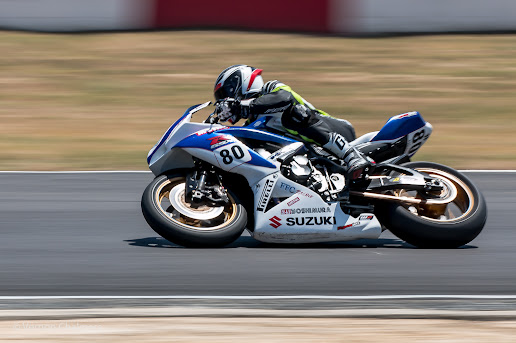
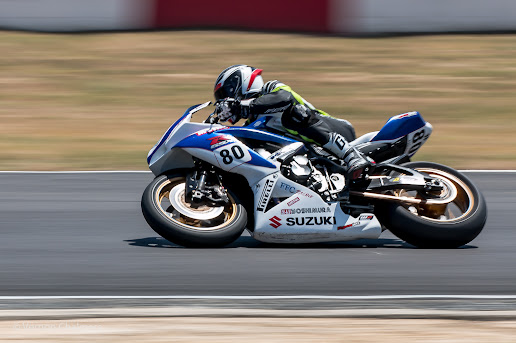
Panning / Slow Shutter Speed: Canon EOS 70D EF 70-300mm Lens
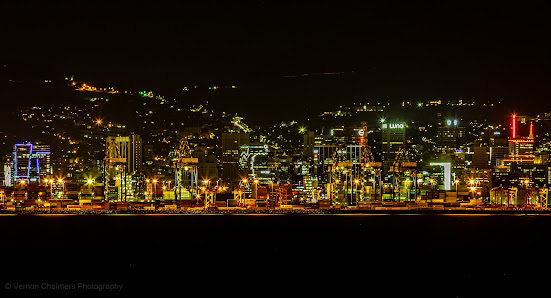

Long Exposure Photography Cape Town Canon EOS 6D @ f/16
彩票联盟123官方入口 Photography Cape Town Canon EOS 6D @ f/16

Canon Photography 123彩票联盟官方同步开奖数据查询

Canon Photography 123平台汇总最新福彩3D- 彩票联盟实时直播开奖最新结果
123彩票联盟官方同步开奖数据查询+福彩3D最新开奖结果 Phenomenology in Flight

A Philosophical Inquiry into Birds in Flight Photography, Perception, and Presence

Vernon Chalmers: Phenomenology in Flight
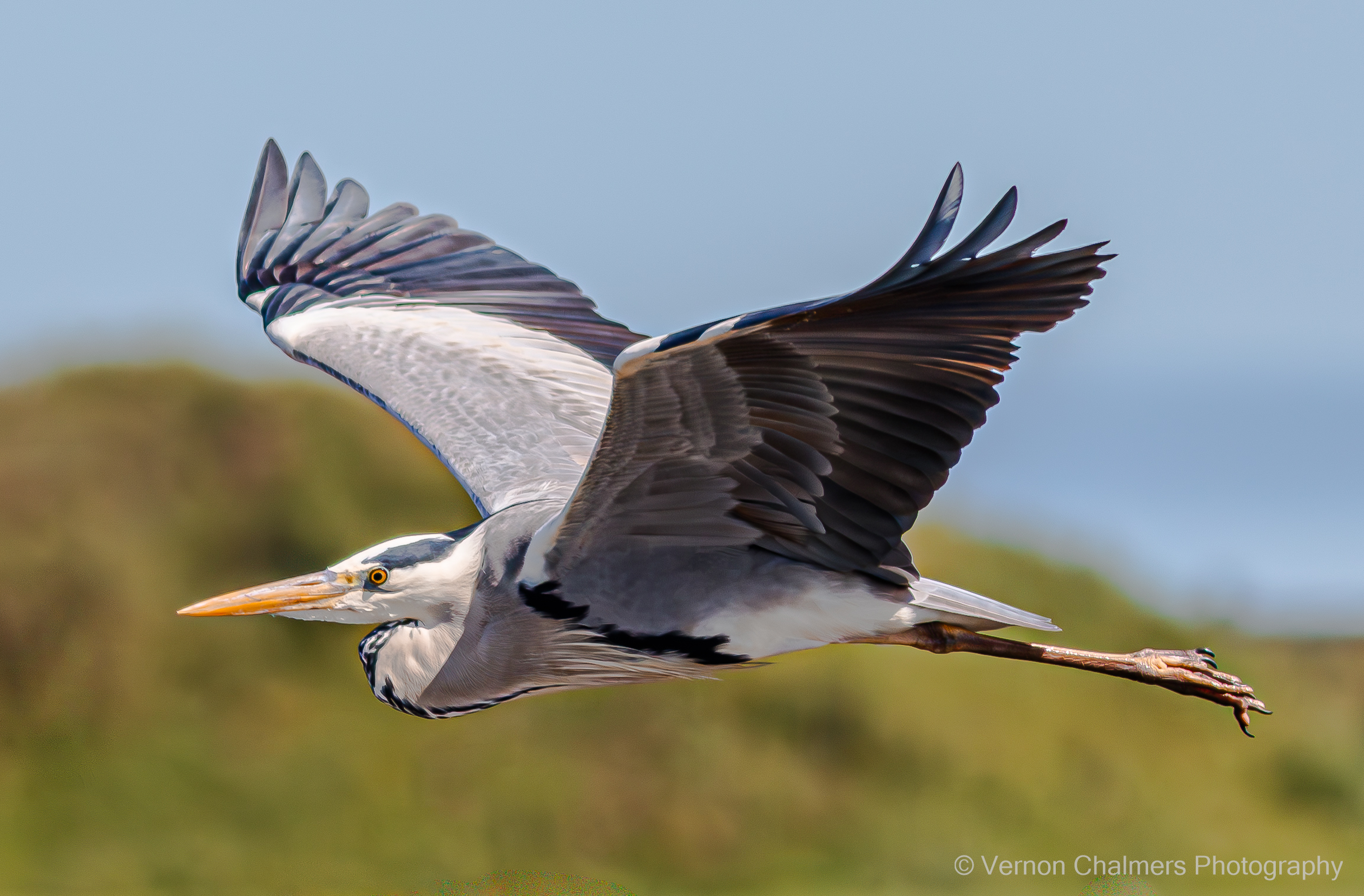
Grey Heron in Flight : Above the Diep River, Woodbridge Island
“...the real is coherent and probable because it is real, not real because it is coherent...” ― Maurice Merleau-Ponty 
Abstract

"This monograph explores Phenomenology in Flight as both a conceptual and practical framework in the photography of South African photographer Vernon Chalmers. Known primarily for his birds-in-flight imagery, Chalmers has articulated through his practice and reflections a profound engagement with perception, temporality, embodiment, and relational being. This work positions Chalmers within the broader philosophical lineage of phenomenology - from Husserl’s intentionality to Merleau-Ponty’s embodiment and Heidegger’s disclosure - while examining how his photographic approach renders these ideas visible. Through an analysis of his texts (Existential Birds in Flight Photography, Colour, Presence, and the Photographic Breath, and The Returning Flights of a Peregrine Falcon), the treatise argues that Chalmers’s photography enacts a living phenomenology: one that unites seeing, being, and technology into a reflective field of existential presence.

1. Introduction and Motivation

Phenomenology, at its core, is the philosophical study of how things appear to consciousness. Photography, by contrast, is the technological act of capturing how things appear. Between these poles - of consciousness and capture - lies the possibility of a phenomenology of photography. Vernon Chalmers’s photographic practice occupies precisely this intersection. His sustained attention to birds in flight, his reflective writings, and his devotion to the lived experience of photographing have cultivated a body of work that invites philosophical engagement.

Chalmers’s recurring subjects - seabirds, falcons, and gulls moving through coastal air - become vehicles for exploring temporality, presence, and freedom. His project Phenomenology in Flight (a conceptual term synthesizing his approach) captures the ambiguity of perception: the interplay between fleeting motion and fixed frame, subject and perceiver, finitude and transcendence. This study seeks to unfold how Chalmers’s photography not only illustrates but performs phenomenological thinking in visual form.

2. Phenomenology: Philosophical Foundations

Edmund Husserl (1931/2012) inaugurated phenomenology as the rigorous description of experience “as it gives itself” (zu den Sachen selbst). Through the epoché, one suspends habitual assumptions to attend to the structures of consciousness and the intentional correlation between subject (noesis) and object (noema) (Smith, 2003). Husserl’s idea of the lifeworld (Lebenswelt) - the pre-reflective ground of meaning—frames all perception as lived rather than theoretical.

Martin Heidegger (1927/1962) reoriented phenomenology toward ontology. For Heidegger, the question was not merely how phenomena appear but what it means to be. His concept of being-in-the-world emphasizes that Dasein (human existence) is always situated, temporal, and relational. Perception is never detached observation but engagement within a meaningful horizon.

Maurice Merleau-Ponty (1945/2012) further radicalized this turn by asserting the primacy of embodiment. The perceiving subject is not a disembodied intellect but a sensing body - the body as a “vehicle of being in the world.” Vision, for Merleau-Ponty, is not a neutral act but an intertwining of the seer and the seen, an exchange of what he calls “the flesh of the world” (1968).

Phenomenology thus provides three central insights relevant to Chalmers’s work: (1) perception is intentional and directed; (2) the subject is embodied and situated; and (3) being is disclosed through relational experience. Photography, when practiced reflectively, can become a site where these insights are made visible.

Vernon Chalmers: Phenomenology in Flight
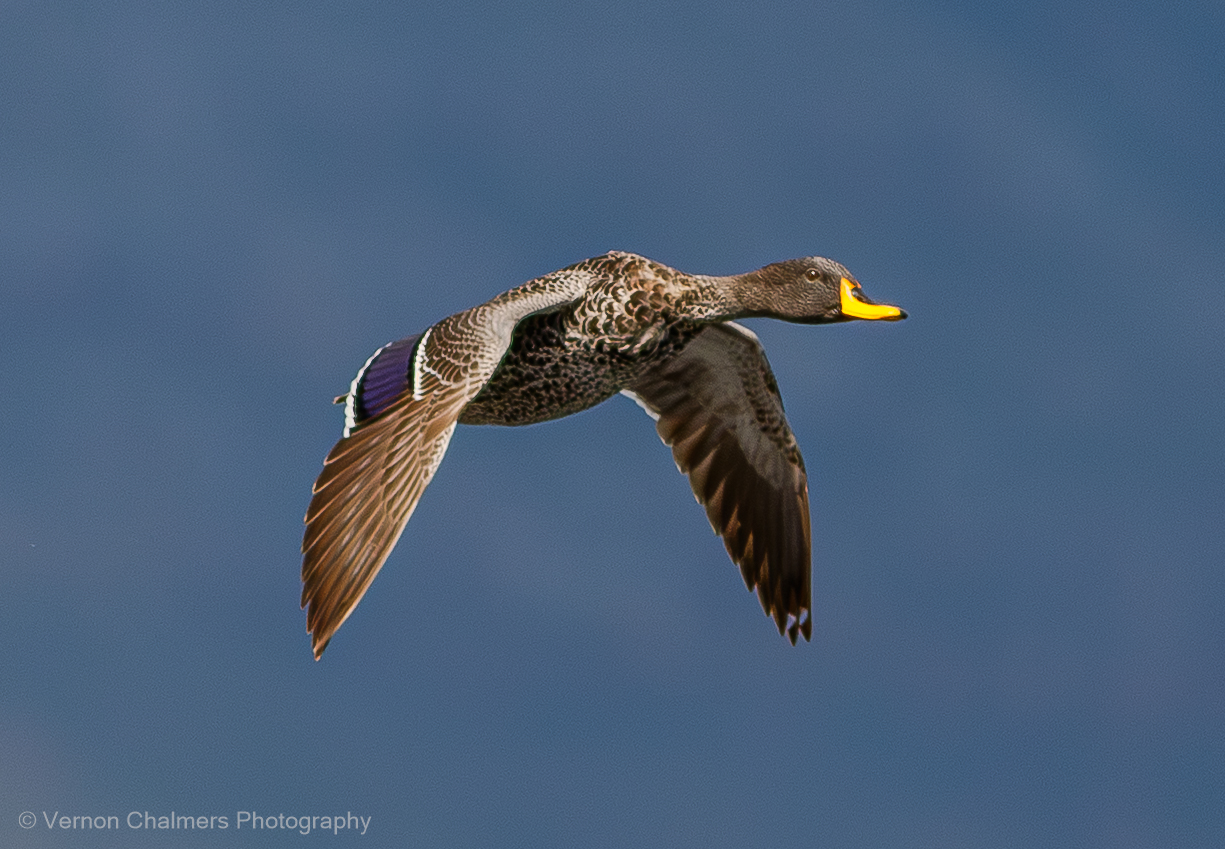
Yellow-Billed Duck in Flight : Above the Diep River, Woodbridge Island

3. Photography and Phenomenology

The relationship between phenomenology and photography has long been a topic of aesthetic theory. Roland Barthes (1981) viewed photography as a paradoxical medium that joins presence and absence: each image declares “this has been.” His notion of the punctum - the detail that “pricks” the viewer - evokes the phenomenological moment where perception pierces intentionality, awakening the consciousness of temporality.

Susan Sontag (1977) argued that photography simultaneously participates in and distances us from experience. The act of photographing may anesthetize presence even as it preserves it. Vilém Flusser (2000) conceptualized the camera as an apparatus - a mediating device with its own program that structures how the world is seen.

Phenomenological approaches to photography (Walden, 2019; Batchen, 2004) emphasize how the photograph can disclose rather than merely represent. It does not replicate vision but transforms it, revealing the structure of experience itself. Chalmers’s work exemplifies this disclosure: his camera functions as both perceptual extension and existential mirror.

Birds in Flight with Canon EOS 7D Mark II

4. Vernon Chalmers’s Photographic Oeuvre

Born in South Africa, Vernon Chalmers is an educator, writer, and photographer known for his expertise in Canon camera systems and his passion for coastal wildlife. Yet his writings go far beyond technique. In essays such as Existential Birds in Flight Photography (Chalmers, 2025a), Colour, Presence, and the Photographic Breath (Chalmers, 2025b), and The Returning Flights of a Peregrine Falcon (Chalmers, 2025c), he articulates a reflective, philosophical dimension of photography.

He frames his birds-in-flight practice as a “search for presence within motion,” emphasizing patience, attention, and existential humility. His images are minimalistic - often featuring a solitary bird suspended in vast sky - suggesting both solitude and communion. The camera becomes an instrument of meditation rather than conquest.

Chalmers’s style also resists the sensationalism typical of wildlife imagery. Instead of dramatizing power or predation, he seeks quiet phenomenological intensity: the perceptual resonance of a wing’s arc, the luminous threshold of dawn, or the horizon dissolving into reflection.

Vernon Chalmers: Phenomenology in Flight
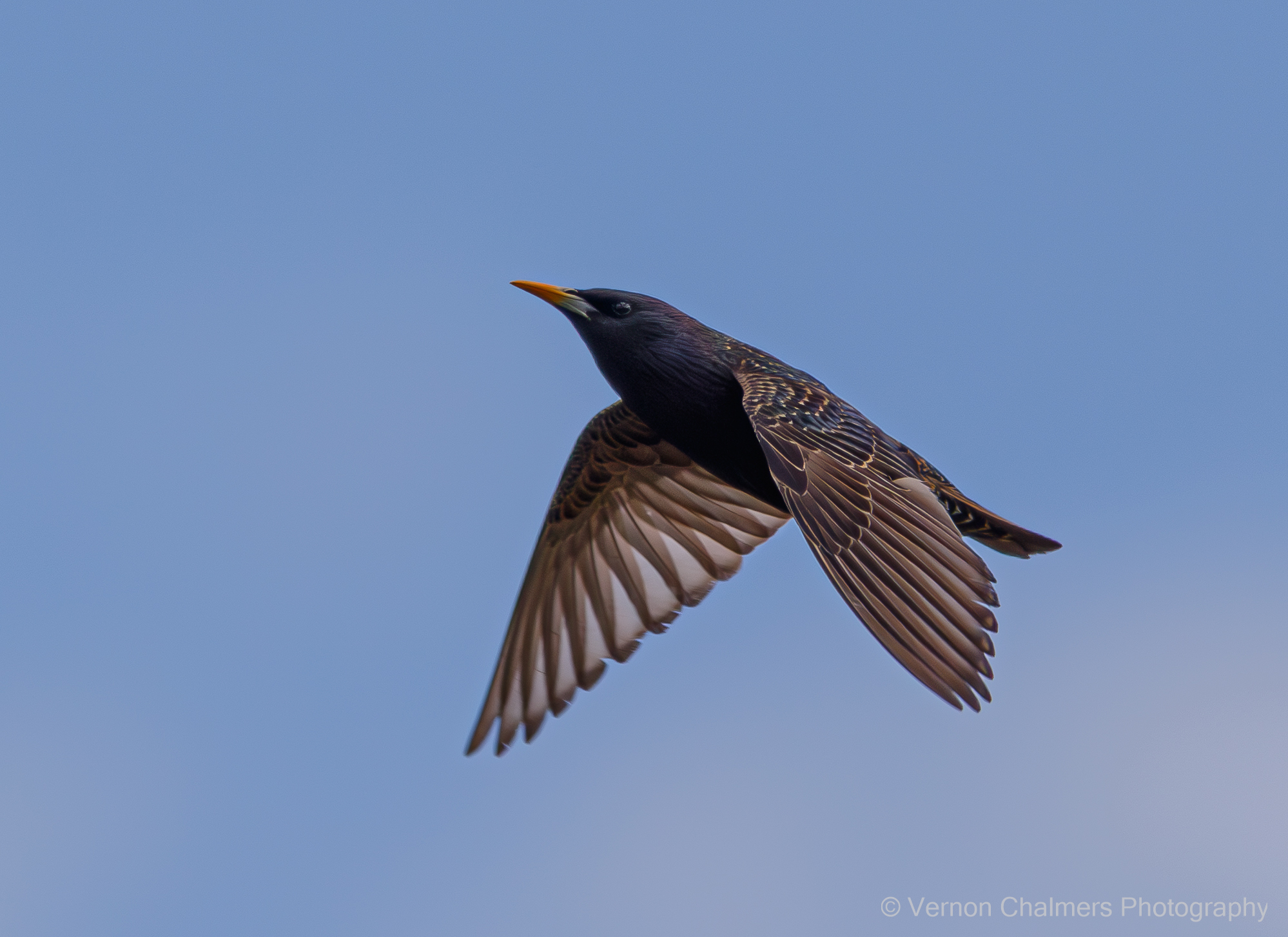
Common Starling in Flight : Above Woodbridge Island
5. Temporality, Motion, and the Photographic Fragment

At the heart of Phenomenology in Flight lies the paradox of time. To photograph flight is to arrest movement, to convert dynamic continuity into a frozen instant. Yet Chalmers’s photographs - precisely through their stillness - gesture toward movement’s persistence beyond the frame.

This temporal depth mirrors Husserl’s structure of internal time-consciousness, where each moment is constituted by retention (the just-past), primal impression (the now), and protention (the anticipated) (Husserl, 1931/2012). The captured moment thus contains traces of before and after, embodying what Barthes (1981) called “the return of the dead.”

Chalmers himself writes that each frame “holds a breath of time - neither entirely past nor present” (Chalmers, 2025b). His choice of high shutter speeds paradoxically enhances temporality rather than erasing it: the crispness of feathers mid-beat invites reflection on what movement is - the tension between continuity and stillness.

Phenomenologically, the photograph becomes a temporal index, disclosing how being manifests through time. The bird in flight embodies being-toward-future (Heidegger, 1927/1962), yet the image grounds it in the stillness of being-as-past. The viewer stands in the paradoxical convergence of these modes.

6. Attention, Presence, and the Ethics of Seeing

Chalmers’s approach to wildlife photography is defined by attention rather than pursuit. He describes hours of observation before pressing the shutter - watching light shift, wind rise, and avian behavior unfold (Chalmers, 2025a). This patient attention corresponds to Husserl’s epoché: a bracketing of distractions to let phenomena show themselves.

Merleau-Ponty (1945/2012) argued that perception is an act of faith in the world’s visibility, a letting-be of appearances. Chalmers’s attention is likewise an ethical stance: the bird is not an object but a fellow presence. The photograph is not possession but participation.

In his writings, Chalmers speaks of a “reciprocity of perception,” suggesting that the act of photographing becomes a dialogue between human and non-human being. This relational seeing aligns with eco-phenomenological thought (Abram, 1996; Ingold, 2011), which regards perception as a mutual openness between organism and environment.

By cultivating stillness and empathy, Chalmers enacts what Emmanuel Levinas (1969) might call an ethics of the face - a recognition of otherness that precedes cognition. The bird, even when distant, addresses the photographer through its mere existence.

Birds in Flight with Canon EOS 6D Mark II

7. The Camera as Instrument of Phenomenological Mediation

Chalmers’s technical mastery of autofocus systems and exposure dynamics is well documented, yet his reflections reinterpret these not as control mechanisms but as instruments of attunement. The camera mediates between body and world, extending perception.

Flusser (2000) viewed the apparatus as potentially alienating, reducing the photographer to a functionary within a programmed system. Chalmers resists this determinism: he treats the camera as co-being, part of a lived circuit of perception. The camera’s sensor becomes akin to the eye’s retina, the shutter to a heartbeat - a rhythmic interface between worlds.

Heidegger’s (1954/1977) warning against technology’s enframing (Gestell)—its tendency to reduce beings to resources - is addressed in Chalmers’s practice. Rather than objectifying, he uses the camera to let beings show themselves. He writes that photography should “serve being, not consume it” (Chalmers, 2025a).

The act of aligning focus points with a moving bird requires bodily synchronization - breath, grip, anticipation. This fusion of body and apparatus recalls Merleau-Ponty’s description of the blind man’s cane: it becomes part of his perceptual system. Likewise, Chalmers’s camera becomes an extension of bodily intentionality, not an external tool but a phenomenological organ.

Vernon Chalmers: Phenomenology in Flight
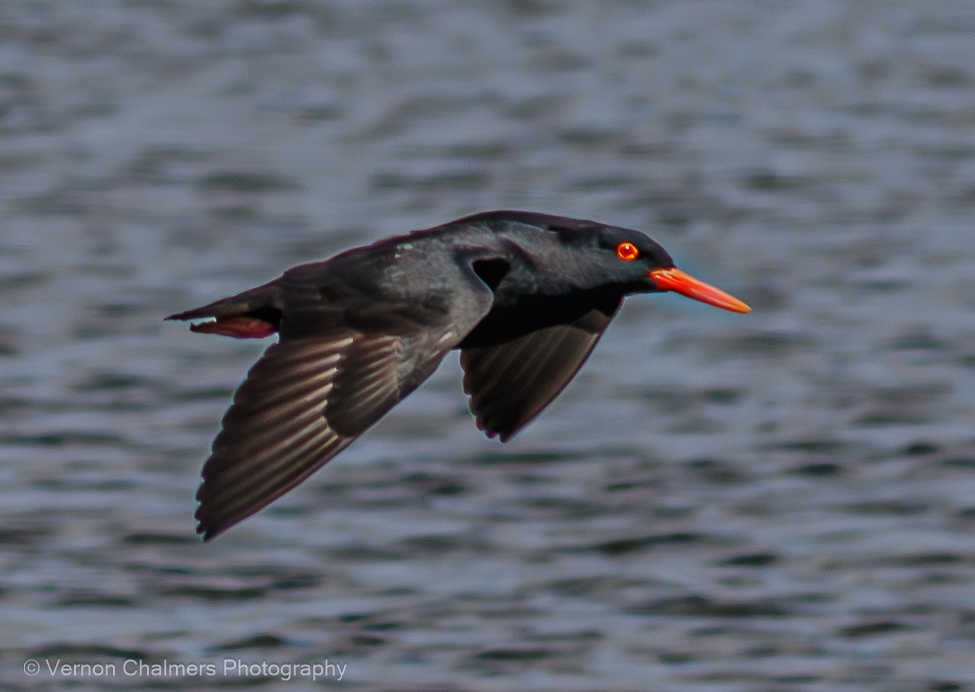
African Oystercatcher in Flight : Diep River, Woodbridge Island
8. Flight as Existential Motif

The motif of flight carries existential and phenomenological weight. It symbolizes freedom, transcendence, and temporality - yet also fragility and finitude. Chalmers’s birds are not allegorical abstractions but concrete beings in motion.

Sartre (1943/1992) defined consciousness as being-for-itself - a dynamic of transcendence beyond facticity. The bird in flight, projecting its own path through open air, embodies such transcendence. But Chalmers balances this with visibility of constraint: the weight of the body, the pull of gravity, the resistance of wind.

In The Returning Flights of a Peregrine Falcon, Chalmers (2025c) recounts a falcon repeatedly visiting his window, “as if returning to a moment that belonged to both of us.” This circularity of motion evokes Heidegger’s idea of dwelling: being at home in movement. The bird’s return is not repetition but re-disclosure - a rhythm of presence.

The phenomenology of flight, then, is not escapism but being-in-movement - the continuous negotiation between freedom and limit. Chalmers’s photographs dwell in this tension: the bird as both transcendent and terrestrial, eternal and ephemeral.

9. Colour, Light, and Aesthetic Atmosphere

Colour and light in Chalmers’s photography are not incidental; they are phenomenological vehicles. His palette - soft silvers, subdued blues, dawn golds - evokes transitional hours of liminality. He calls this the photographic breath (Chalmers, 2025b): a visual interval between darkness and illumination.

For Heidegger (1927/1962), truth (aletheia) is disclosure - letting beings appear in their own light. Chalmers’s use of natural illumination embodies this notion literally. Light is not a means to clarity but the condition of revelation. His compositions often situate the bird against vast, muted horizons, allowing light to articulate space rather than dominate it.

Merleau-Ponty (1968) wrote of colour as “the visibility of visibility itself” - an index of how the world offers itself to sight. Chalmers’s restrained chromatic spectrum enacts this subtlety: colour becomes a mode of presence, not spectacle.

Moreover, his handling of focus and depth creates a phenomenological field: what is sharp draws attention, while what blurs remains as horizon. The image thus mirrors lived perception - never fully transparent, always surrounded by indeterminacy.

10. Critique and Alternatives

A phenomenological reading of Chalmers’s work reveals much, yet also faces limitations.

Photography’s technological mediation complicates phenomenology’s emphasis on direct experience. The digital camera inserts layers of algorithmic processing between world and image. Yet this mediation can itself be phenomenologically significant: it reveals the conditions of appearance in modern perception (Rubinstein & Sluis, 2013).

Alternative frameworks - ecological aesthetics, affect theory, or environmental humanities - could supplement phenomenology. Chalmers’s sensitivity to non-human presence resonates with eco-phenomenology (Abram, 1996) but also with contemporary new materialisms that emphasize agency of nature and matter (Bennett, 2010).

Nevertheless, phenomenology remains apt because it honours what Chalmers’s images do best: they slow perception, invite contemplation, and foreground presence. The photographs become phenomenal events rather than visual data.

Vernon Chalmers: Phenomenology in Flight
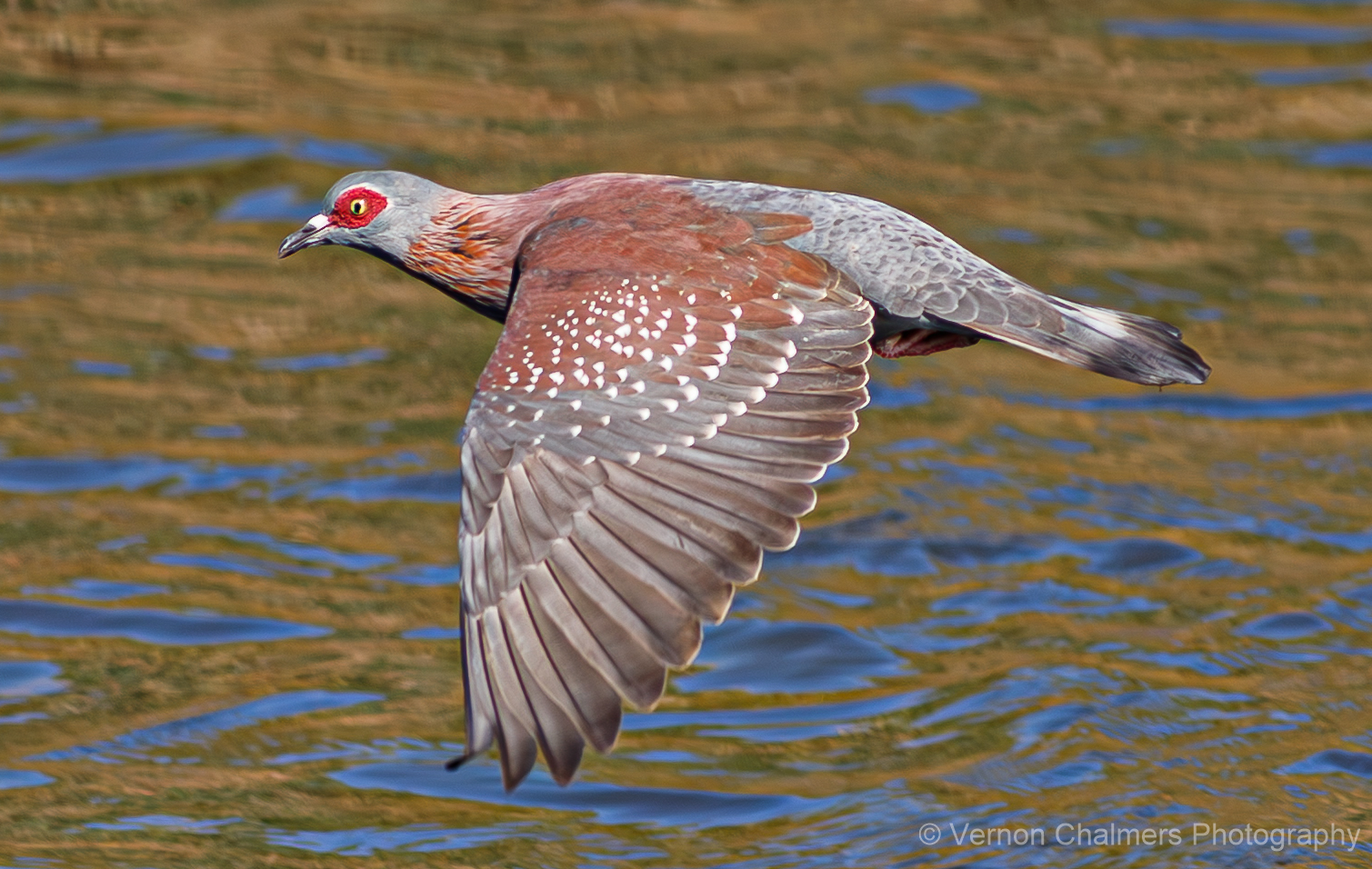
Speckled Pigeon in Flight : Above The Diep River, Woodbridge Island

11. Conclusion: Toward a Phenomenology of Ecological Presence

Phenomenology in Flight captures more than birds - it discloses a way of being in the world. Through attentiveness, patience, and existential humility, Vernon Chalmers practices photography as phenomenology: an embodied, relational, temporal art of seeing.

His work reminds us that to photograph is to witness presence, not to conquer it. Each image becomes a trace of mutual encounter between photographer, bird, and light - a triadic relation that mirrors phenomenology’s structure of subject, object, and horizon.

In a time of accelerated imagery and ecological disconnection, Chalmers’s approach re-grounds vision in being. He photographs not to accumulate images but to dwell with the world. His birds - caught between sky and sea, movement and stillness - invite viewers into a similar attentiveness.

Thus, Phenomenology in Flight is not merely a theme but a method: a call to perceive ethically, to let beings appear, and to recognize photography as a practice of existential openness." (Source: ChatGPT 2025)

References

Abram, D. (1996). The spell of the sensuous: Perception and language in a more-than-human world. Pantheon Books.

Barthes, R. (1981). Camera lucida: Reflections on photography. Hill and Wang.

Batchen, G. (2004). Photography’s objects. University of New Mexico Press.

Bennett, J. (2010). Vibrant matter: A political ecology of things. Duke University Press.

Chalmers, V. (2025a, October). Existential birds in flight photography. Vernon Chalmers Photography. https://www.vernonchalmers.photography/2025/10/existential-birds-in-flight-photography.html

Chalmers, V. (2025b, October). Colour, presence, and the photographic breath. Vernon Chalmers Photography. https://www.vernonchalmers.photography/2025/10/colour-presence-and-photographic-breath.html

Chalmers, V. (2025c, October). The returning flights of a peregrine falcon. 123官方平台3D福彩最新版免费下载 v9.3.20 Photography. https://www.vernonchalmers.photography/2025/10/the-returning-flights-of-peregrine.html

Flusser, V. (2000). Towards a philosophy of photography. Reaktion Books.

Gadamer, H.-G. (1975/2013). Truth and method (Rev. ed., J. Weinsheimer & D. G. Marshall, Trans.). Bloomsbury.

Heidegger, M. (1927/1962). Being and time (J. Macquarrie & E. Robinson, Trans.). Harper & Row.

Heidegger, M. (1954/1977). The question concerning technology and other essays (W. Lovitt, Trans.). Harper & Row.

Husserl, E. (1931/2012). Ideas: General introduction to pure phenomenology (W. R. Boyce Gibson, Trans.). Routledge.

Ingold, T. (2011). Being alive: Essays on movement, knowledge and description. Routledge.

Levinas, E. (1969). Totality and infinity (A. Lingis, Trans.). Duquesne University Press.

Merleau-Ponty, M. (1945/2012). Phenomenology of perception (D. A. Landes, Trans.). Routledge.

Merleau-Ponty, M. (1968). The visible and the invisible (C. Lefort, Ed.; A. Lingis, Trans.). Northwestern University Press.

Rubinstein, D., & Sluis, K. (2013). The digital image in photographic culture: Algorithmic photography and the crisis of representation. The Photographic Image in Digital Culture (2nd ed., pp. 22–40). Routledge.

Sartre, J.-P. (1943/1992). Being and nothingness (H. E. Barnes, Trans.). Washington Square Press.

Smith, D. W. (2003). Phenomenology. In E. N. Zalta (Ed.), The Stanford encyclopedia of philosophy (Winter 2025 ed.). Stanford University.

Sontag, S. (1977). On photography. Farrar, Straus & Giroux.

Walden, S. (2019). Photography and phenomenology: The thick description of the visual. Routledge.

Images: Copyright 123官方平台3D福彩最新版免费下载 v9.3.20 Photography

16 October 2025

Existential Philosophy 123彩票联盟官方同步开奖数据查询+福彩3D最新开奖结果 Photography

Vernon Chalmers’ photography exemplifies the deep interplay between existential philosophy and artistic practice.

Existential Philosophy in Vernon Chalmers’ Photography
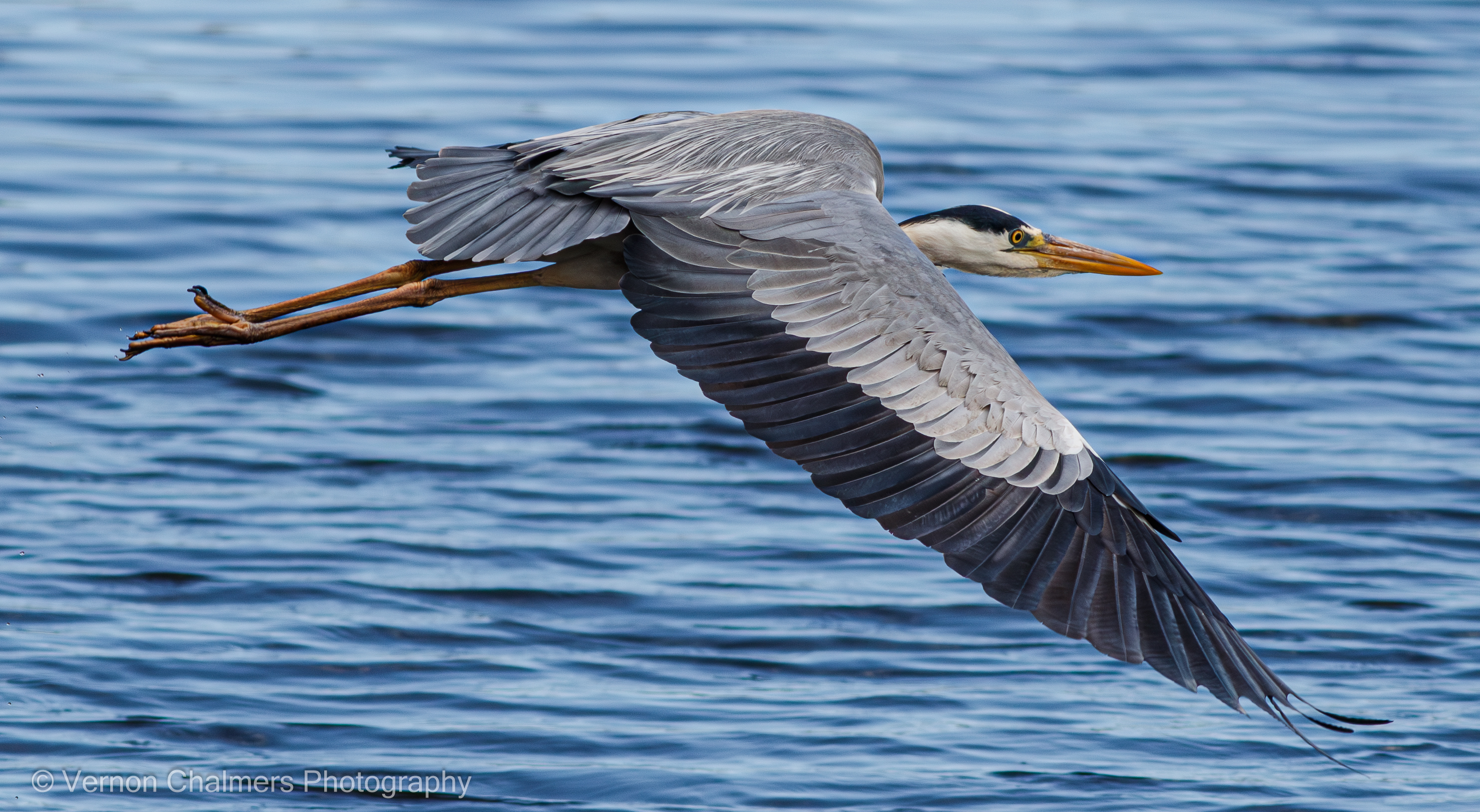
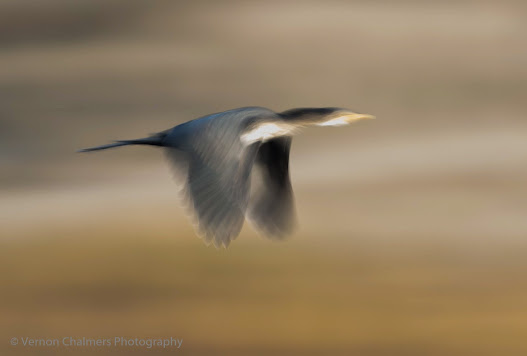
Grey Heron in Flight : Over The Diep River, Woodbridge Island

Abstract

"Vernon Chalmers’ photographic philosophy and practice are deeply rooted in existential and phenomenological traditions that focus on human perception, being, and the lived experience of presence within the world. This essay explores how existential philosophy - particularly through thinkers such as Søren Kierkegaard, Martin Heidegger, Jean-Paul Sartre, and Maurice Merleau-Ponty - has influenced Chalmers’ approach to photography. Through an interpretive framework, this discussion examines how Chalmers integrates phenomenological awareness, authenticity, and the notion of becoming into his visual representations of nature and birds in flight. His work serves as a visual meditation on existential themes, rendering the act of photography not merely as documentation but as a mode of being and understanding.

Existential Philosophy and the Concept of Presence

Existential philosophy, as developed by Kierkegaard, Heidegger, and Sartre, emphasizes the individual’s direct engagement with existence. Chalmers’ photography echoes this through his commitment to capturing fleeting moments that reveal a deep presence in the natural world. His practice aligns with Heidegger’s concept of Dasein - being-in-the-world - where existence is not an abstraction but an immersion in the everyday reality of life (Heidegger, 1962). For Chalmers, photographing birds in flight becomes an existential act that embodies awareness, temporality, and attunement to the world’s unfolding.

In this context, Chalmers’ imagery is not about aesthetic perfection but about the encounter itself. His subjects - birds gliding through the air, coastal light reflecting on water - become metaphors for transience and freedom. These photographs evoke Sartre’s (1943) assertion that existence precedes essence: meaning is not given but created through the individual’s active participation in the world. Chalmers’ lens, therefore, is not a tool of observation but of engagement, making his art both existential and phenomenological in nature.

Phenomenology and the Act of Seeing

Merleau-Ponty’s Phenomenology of Perception (1962) offers a profound resonance with Chalmers’ photographic vision. Merleau-Ponty argued that perception is not a detached cognitive act but an embodied experience, one that situates the perceiver within the visible world. Chalmers’ work mirrors this by emphasizing the sensory and embodied nature of seeing. His photographic process often involves extended immersion in the environment - waiting, observing, and responding to subtle shifts in light and motion. This approach transforms photography into a form of eidetic reduction, where Chalmers seeks the essence of phenomena through mindful observation.

Moreover, Chalmers’ reflective writings on photography often invoke the idea of being present with one’s subject. This aligns with Merleau-Ponty’s notion of the “flesh of the world,” where the photographer and the environment are intertwined in a reciprocal relationship. The camera becomes an extension of perception - a bridge between self and world - allowing the photographer to participate in, rather than dominate, the unfolding scene.

Authenticity, Freedom, and the Self

Chalmers’ existential photography also explores the concept of authenticity, a central concern in existential philosophy. Kierkegaard (1849) described authenticity as living in accordance with one’s true self, while Heidegger (1962) expanded this idea through the notion of “authentic being-toward-death,” where awareness of mortality deepens one’s engagement with life. In photographing transient natural moments - such as the brief arc of a bird’s flight - Chalmers embraces the impermanence and fragility of existence.

Sartre’s (1943) concept of radical freedom also finds expression in Chalmers’ work. Photography, for Chalmers, becomes an act of choice - an existential assertion of meaning-making through each composition. Every photograph represents a moment where the photographer assumes responsibility for interpretation and expression, thus transforming the ordinary into a site of existential reflection.

Nature, Temporality, and Existential Awareness

Chalmers’ recurring engagement with nature - especially coastal landscapes and avian subjects - illustrates an existential meditation on time and impermanence. Drawing on Heidegger’s (1971) reflections on art and dwelling, Chalmers’ work evokes a sense of “being at home in the world,” a reconciliation between human consciousness and natural temporality. The birds in flight, often suspended against vast horizons, symbolize the intersection between freedom and finitude. Each image becomes a momentary suspension of time, a visual articulation of what Kierkegaard called “the instant,” the point where eternity touches temporality.

In this light, Chalmers’ photography resonates with the existential imperative to live authentically in the face of transience. His images function as existential artefacts - reminders of the beauty and fragility of being. By integrating patience, attentiveness, and empathy into his practice, Chalmers redefines photographic mastery as an ethical and existential discipline.

Photography as a Mode of Being

For Chalmers, photography transcends representation. It is a way of being-in-the-world that synthesizes perception, emotion, and thought. The process of capturing an image becomes a philosophical act - a dialogue between consciousness and the world. This idea parallels Merleau-Ponty’s (1964) vision of art as a “revelation of being,” where the artist discloses the invisible dimensions of experience through visible forms.

Chalmers’ methodology integrates technical precision with meditative awareness. He emphasizes understanding camera mechanics and optical systems not merely as technical exercises but as pathways to deeper perceptual insight. In doing so, his work bridges the gap between phenomenological reflection and empirical observation, demonstrating that existential awareness can coexist with technological mastery.

Existential Philosophy in Vernon Chalmers’ Photography
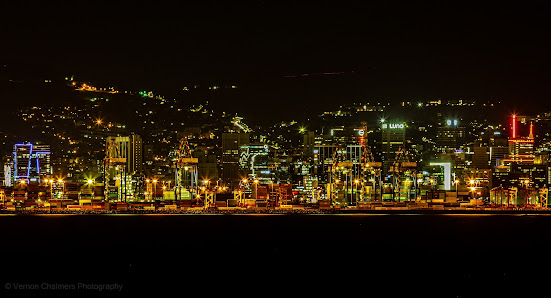
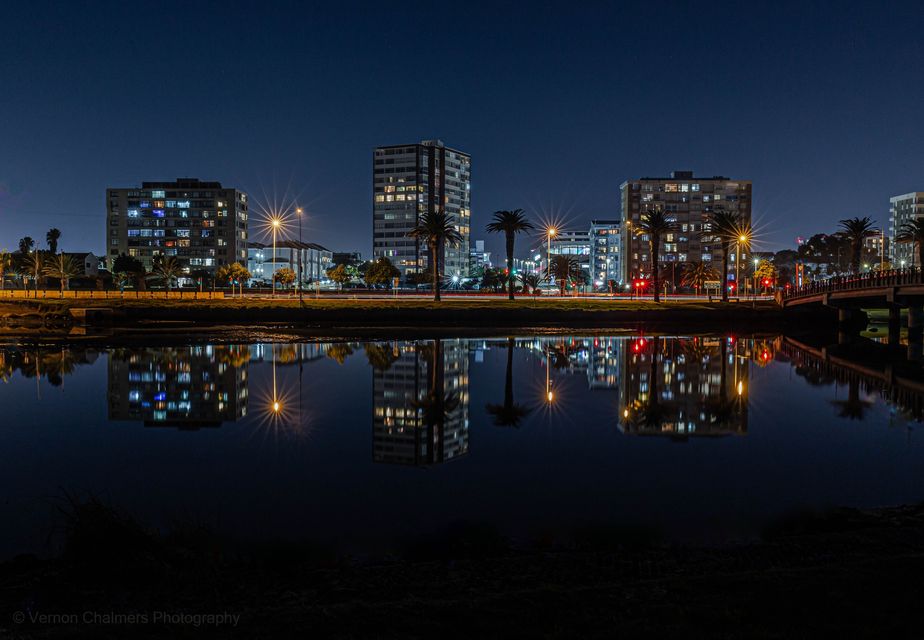
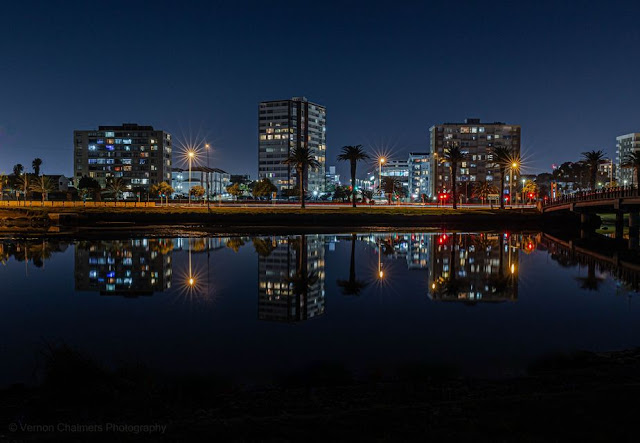
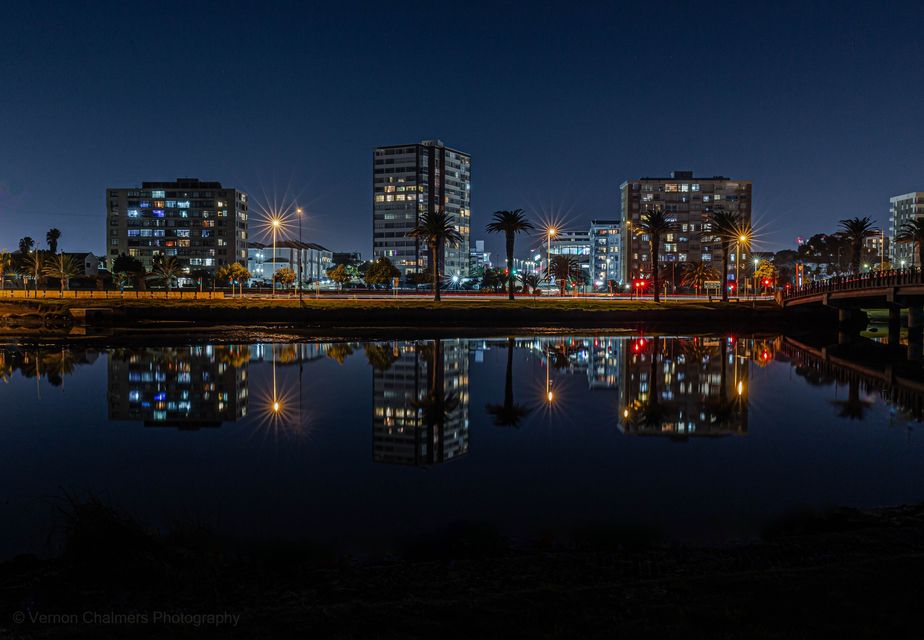
After Sunset : Milnerton From Woodbridge Island, Cape Town

The Existential Photographer as Thinker and Observer

In his writings and teaching, Chalmers often encourages photographers to engage reflectively with their craft - to move beyond superficial aesthetics and explore photography as a means of self-understanding. This pedagogical stance echoes existential philosophers’ insistence on self-examination and authenticity. Chalmers’ photographic philosophy invites individuals to confront their own perceptual and emotional responses to the world, thereby turning photography into an existential practice of reflection and growth.

Moreover, his approach can be interpreted as an extension of phenomenological reduction: stripping away preconceptions to encounter phenomena directly. By fostering this disciplined attentiveness, Chalmers aligns with Husserl’s (1931) call to return “to the things themselves.” Each photograph becomes an invitation to rediscover the world’s immediacy - to perceive without judgment, to see without imposing, and to be present without possession.

Existential Aesthetics and the Search for Meaning

At the heart of Chalmers’ existential aesthetic lies the question of meaning. For existential philosophers, meaning is not discovered but created through engagement and interpretation. Chalmers’ visual narratives mirror this process, inviting the viewer into a dialogue with uncertainty and wonder. His photographs often resist closure, leaving space for contemplation and ambiguity. This open-endedness reflects the existential condition itself - an ongoing process of becoming rather than a final state of being.

Through his photography, Chalmers illustrates how art can serve as a bridge between individual consciousness and universal existence. By transforming perception into presence, and observation into insight, his images challenge viewers to reconsider their relationship with the world and with themselves. In this way, Chalmers’ art becomes both a personal meditation and a philosophical offering - a testament to the transformative potential of existential awareness.

Vernon Chalmers Existential Motivation

Conclusion

Vernon Chalmers’ photography exemplifies the deep interplay between existential philosophy and artistic practice. Grounded in the phenomenological tradition, his work embodies principles of authenticity, awareness, and freedom. Through his sustained engagement with nature and the act of perception, Chalmers transforms photography into a form of existential reflection - a means of exploring what it means to be, to see, and to dwell within the world.

Ultimately, Chalmers’ photographic vision affirms that art, like philosophy, is a quest for meaning. By aligning his creative process with the existential imperative to live deliberately and perceive authentically, Chalmers invites both photographer and viewer into a shared journey of awareness. His images become portals into the existential landscape of being - illuminating not only what is seen but what it means to see." (Source: ChatGPT 2025)

References

Heidegger, M. (1962). Being and Time (J. Macquarrie & E. Robinson, Trans.). Harper & Row.

Heidegger, M. (1971). Poetry, Language, Thought (A. Hofstadter, Trans.). Harper & Row.

Husserl, E. (1931). Ideas: General Introduction to Pure Phenomenology (W. R. Boyce Gibson, Trans.). George Allen & Unwin.

Kierkegaard, S. (1849). The Sickness Unto Death. C.A. Reitzel.

Merleau-Ponty, M. (1962). Phenomenology of Perception (C. Smith, Trans.). Routledge & Kegan Paul.

Merleau-Ponty, M. (1964). The Primacy of Perception. Northwestern University Press.

Sartre, J.-P. (1943). Being and Nothingness (H. E. Barnes, Trans.). Philosophical Library

Image Copyright: Vernon Chalmers Photography